
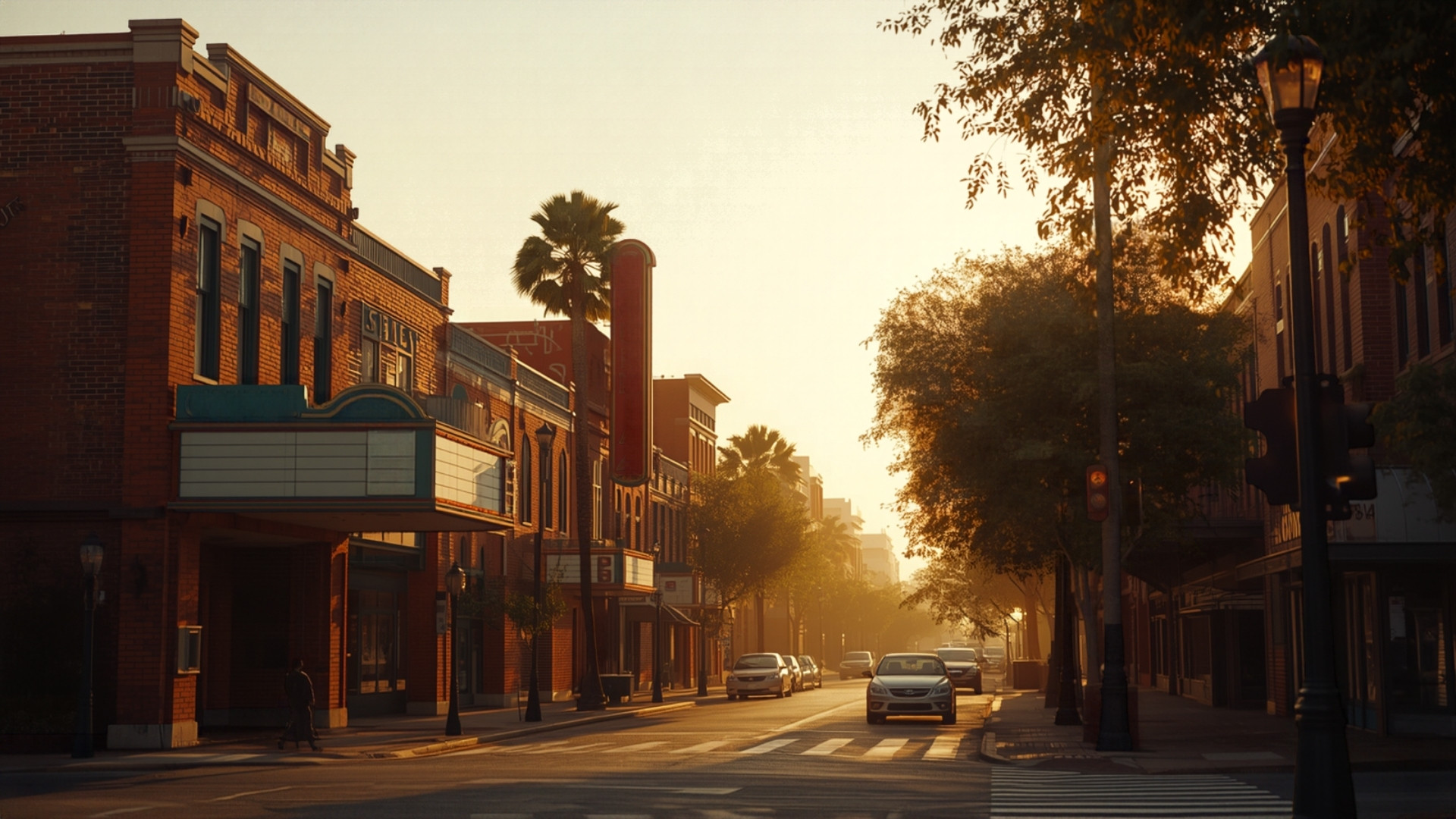
On September 15, 2026, KRGV reported that Brownsville’s Mitte Cultural District is now officially a Texas Cultural District. For people already shopping near downtown—and for relocators eyeing Starbase-area life with weekends in the historic core—that is useful orientation news. It is not a price forecast. Here is how to read the designation without inventing numbers the story does not give you.
What the news actually said
According to [KRGV’s report](https://www.krgv.com/news/mitte-cultural-district-in-brownsville-earns-texas-designation/), the designation covers local museums, theaters, historic sites, and other arts organizations in the district. Qualifying nonprofits in the district can apply for state grants of up to $250,000 each, with eligible nonprofits able to start applying for funding next year. Brownsville was one of four districts designated this year; Texas now has 61 cultural districts statewide.
Executive Director Daniella Lopez Valdez framed the practical upside in cultural preservation *and* economic development: investing in galleries and theaters helps keep artistic destinations open and working. That is the public claim on the table. Everything else buyers should treat as homework, not headline math.
What a cultural district is (in plain terms)
A Texas Cultural District is state recognition for a defined area with a concentration of arts and cultural activity. In practice, it can unlock grant pathways for qualifying nonprofits—not a zoning change that automatically raises or lowers home prices, and not a guarantee that every storefront will renovate next quarter.
Think of it as more tools for arts organizations to fund programming, facilities, and preservation. For a neighborhood shortlist, that can mean a stronger chance of sustained cultural activity downtown over time. It does not mean you should plug “+$X appreciation” into a spreadsheet.
How nearby buyers and renters can use the news
1. Put Mitte on the amenity map, not the speculation map. If you care about walkable evenings, galleries, theaters, and historic streetscape energy, the designation is a reminder that downtown Brownsville’s cultural cluster is visible enough to win statewide recognition. Use that the same way you use “near parks” or “near grocery”—as a lifestyle filter.
2. Walk the area yourself (and with your agent). Orientation beats branding. Spend time on foot around the historic and cultural nodes people already associate with downtown Mitte: museum and theater corridors, brick façades, and the streets where arts organizations cluster. Notice lighting, parking habits, weekend foot traffic, and how you feel at 8 p.m. versus noon. No article replaces that loop.
3. Stack arts amenities with the boring filters. A cultural district label does not replace commute time to work or Starbase-area job sites, flood and insurance questions, HOA rules, or school logistics. For schools, ask your agent and check current TEA map resources—do not rely on informal “best school” lists from social media, and do not treat this article as a ranking.
4. Ask what nonprofits and venues are doing next. Grant eligibility starting next year is forward-looking. Buyers who care about neighborhood vitality can ask locally which organizations are planning facility or programming investments—without assuming every grant application succeeds.
What you should *not* assume about prices
Do not assume:
- Home values near Mitte will jump because of the designation alone
- Rents will rise (or fall) on a fixed timetable
- Every property inside a loosely described “district vibe” qualifies for something—the grants described are for qualifying *nonprofits*, not a rebate to homeowners
- Four new districts this year implies scarcity-driven bidding wars in Brownsville specifically
Appreciation, inventory, and insurance costs move with many local factors. A cultural designation is one input among many. If someone pitches a guaranteed return “because of the Texas Cultural District,” ask for data—and treat invented percentages as a red flag.
Practical questions to ask a Brownsville agent
- Which listings are a comfortable walk or short drive from the cultural venues I actually want to use?
- How do evening activity and parking work on weeknights versus festival weekends?
- What should I know about flood zones, wind/hail insurance, and older-home inspection issues in the pocket I’m considering?
- For relocators: how does this location fit my commute pattern (including Starbase-area schedules if that is your world)?
- Which nearby amenities (parks, groceries, clinics) balance the arts cluster so daily life works, not only weekends?
- Are there pending street, parking, or venue projects I should know about—separate from the state designation?
A good local agent separates “nice cultural energy” from “this is what the contract, survey, and insurance quote say.”
Relocators: folding this into a shortlist
If you are moving to the Rio Grande Valley and building a first Brownsville shortlist:
1. Decide whether downtown cultural access is a must, a plus, or irrelevant to your household. 2. Visit Mitte’s cultural streets at least twice (weekday and weekend). 3. Pair that feel with commute, budget, and housing type (historic near-in vs. newer stock farther out). 4. Keep the designation as a *positive signal about arts infrastructure*, not a substitute for inspection, insurance, and contract review.
Starbase-area relocators often split life between work rhythms and the older city’s food and culture. The Texas designation underscores that Brownsville’s arts core is organized enough to compete for state cultural funding—one more reason to walk it before you buy solely off a map pin.
Bottom line
Mitte’s Texas Cultural District status, as reported by KRGV on September 15, 2026, means recognition for a cluster of museums, theaters, historic sites, and arts organizations—and a path for qualifying nonprofits to seek state grants up to $250,000 each starting next year. Buyers and relocators should notice that as neighborhood context: more potential fuel for cultural destinations downtown. They should not invent price trajectories the reporting does not support.
Walk the streets, ask precise questions, and let contracts and due diligence—not headlines—set your offer.