
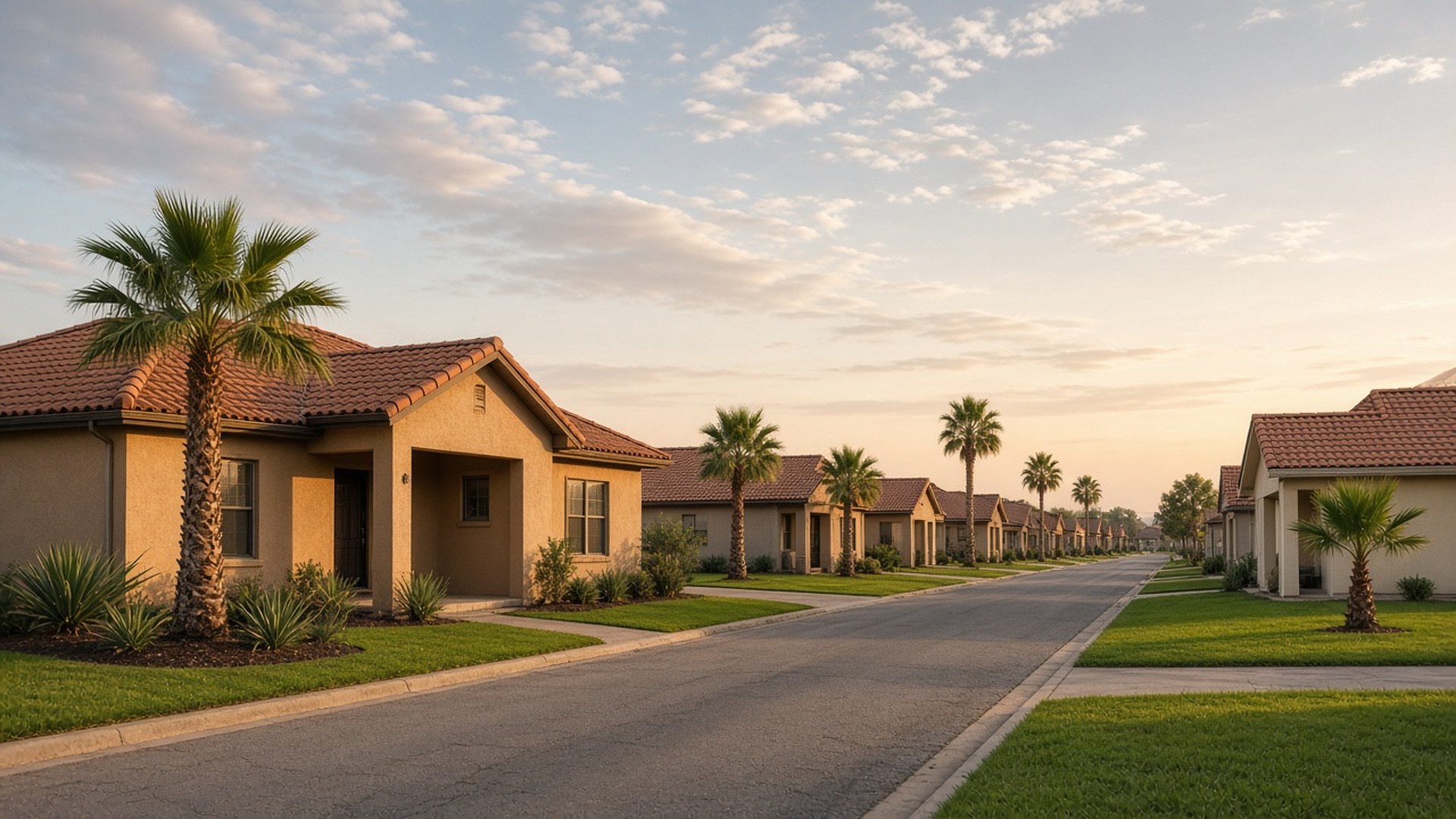
Brownsville is building its first citywide Housing Master Plan—a long-range guide for how the city thinks about attainable housing, neighborhood quality, and future demand through 2035. For buyers and relocators, the plan is not a price list and it is not a finished ordinance. It is a public process you can follow while you shop streets, talk with lenders, and decide which corridors feel like home.
On September 22, 2026, City Commission received a progress update on engagement and housing-needs work. Local coverage summarized the timeline and priorities; the city’s project site remains the place to read drafts and leave feedback.
Where the plan sits right now
According to BTX Today’s report on the September 22 special meeting, commissioners heard that the Housing Master Plan is expected to wrap in December 2026 or January 2027. Community engagement so far included two open houses, 242 surveys, and more than 1,000 interactions. Priorities called out in that update included affordability, homeownership, infrastructure, and neighborhood quality.
The official project site, [btxhousingplan.com](https://btxhousingplan.com/), frames a roughly 10-month effort running from April 2026 through January 2027, with phases for ecosystem assessment, ongoing engagement, housing-needs analysis, strategy development, and plan drafting. The city is working with planning partners and publishing materials so residents can follow along—not only vote once at the end.
None of that freezes today’s listing prices. It does tell you what City Hall is studying while workers continue to arrive for regional projects and while neighborhoods absorb everyday life: schools, parks, utilities, and commute patterns.
Why this matters if you are shopping now
A master plan is a policy compass. When it lands, it can inform where the city focuses tools such as rehabilitation support, land-use updates, and partnerships that expand housing types. Buyers shopping in fall 2026 should treat the plan as context, not as a guarantee that any one subdivision will “win.”
Practical ways to use the process without over-reading it:
- Follow the draft materials on the plan site as needs assessments and strategies appear. Ask your agent how proposed priorities show up near the streets you like—without expecting a finished zoning change overnight.
- Watch related hearings. The same September 22 meeting also continued a public hearing on proposed Unified Development Code amendments to November 3 and reviewed proposed Historic Design Standards. Housing supply and neighborhood character often move together; calendar those dates if you care about a specific corridor.
- Separate citywide goals from parcel facts. Your inspection, flood disclosure, HOA rules, and commute still decide the house. The plan speaks to citywide patterns.
What engagement numbers do—and do not—tell you
More than a thousand interactions and hundreds of surveys mean the city is collecting bilingual resident input, not inventing priorities in a closed room. They do not mean every neighborhood will get the same tools on the same schedule. Affordability and homeownership can point toward different products: entry-level ownership paths, rental quality, rehabilitation of existing stock, and a wider mix of housing types over time.
If you are relocating for work near Boca Chica, the Port, or other industrial growth, ask how citywide housing goals interact with the specific commute and rental-versus-buy tradeoff you actually face. City planning documents describe direction; your lease or purchase contract describes risk you can underwrite.
A buyer checklist tied to the plan calendar
Use the remaining months of the planning process as a structured shopping season:
1. Bookmark [btxhousingplan.com](https://btxhousingplan.com/) and the feedback page so you can skim updates without relying on social rumor. 2. Ask your agent for recent sold and pending comps on the streets you tour—plan language does not replace market evidence. 3. Tour at different times of day near parks, schools, and employers you care about. Neighborhood quality is a plan priority for a reason; you still have to feel the street. 4. Read flood, insurance, and utility notes for each address. Infrastructure is on the city’s priority list; your policy binder is still personal. 5. Note November–January milestones—continued UDC hearings, draft plan materials, and the expected completion window—so you are not surprised by headlines that restate process updates as sudden “housing freezes.”
How Big Brothers thinks about this season
We help buyers and relocators read Brownsville as a set of lived neighborhoods—Southmost, the north-side growth corridors, east-side streets closer to Boca Chica routes, and established central pockets—while City Hall writes longer-range tools. The Housing Master Plan is one of those tools. It deserves attention this fall because engagement is active and drafting is next, not because a single update should panic or hype your offer strategy.
Bring questions. Bring a street list. Bring patience for a plan that is still being written with residents in the room.
If you want a calm walkthrough of how the plan calendar intersects with a specific search area, reach out to Big Brothers Real Estate. We will keep the conversation practical: what is public process, what is listing fact, and what is still unknown until drafts land.